Country: Romania
Focus area:Green
Thematic area:
Waste reduction and Recycling Technology , Green & Sustainable materials
TRL phase: TRL 7 - system prototype demonstration in operational environment (System development)
Addressed business processes: TECHNOLOGY DEVELOPMENT process
Solution overview
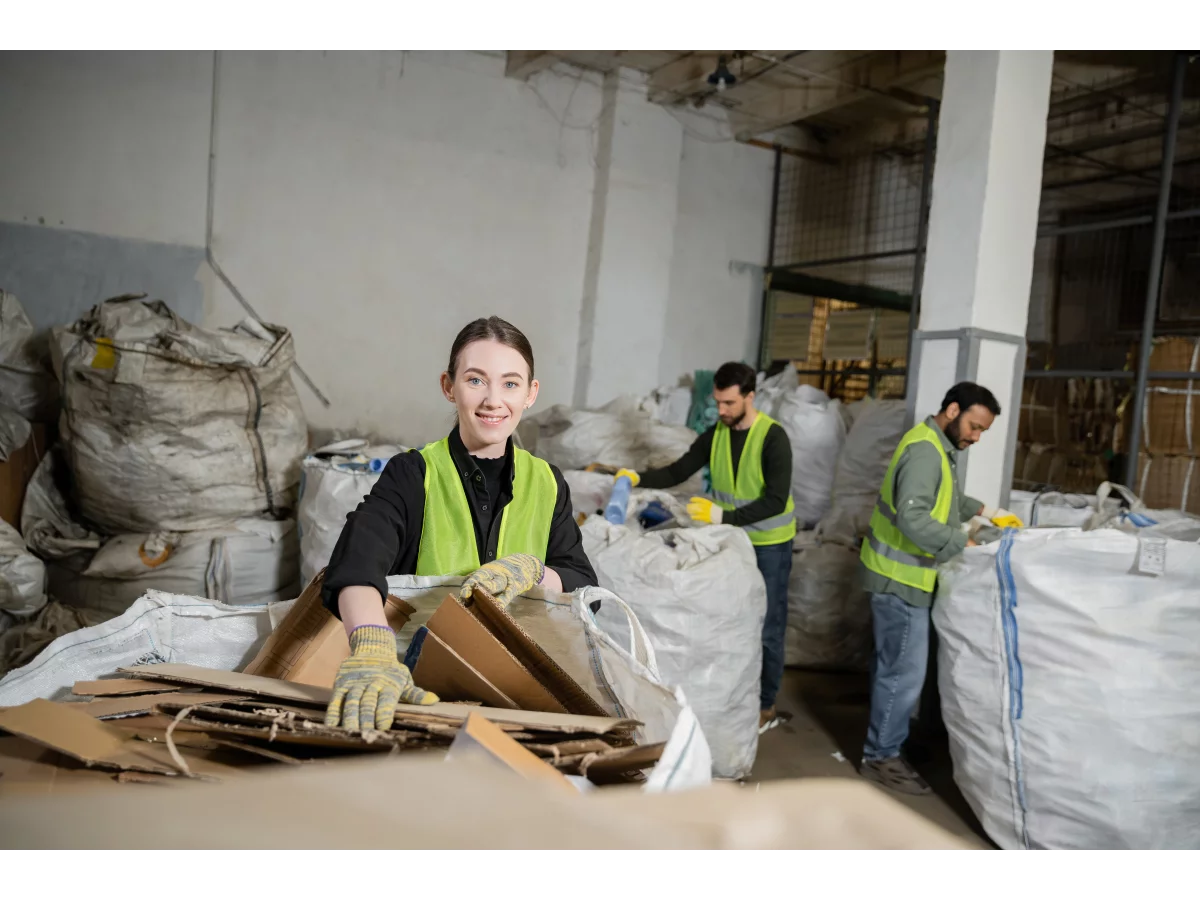
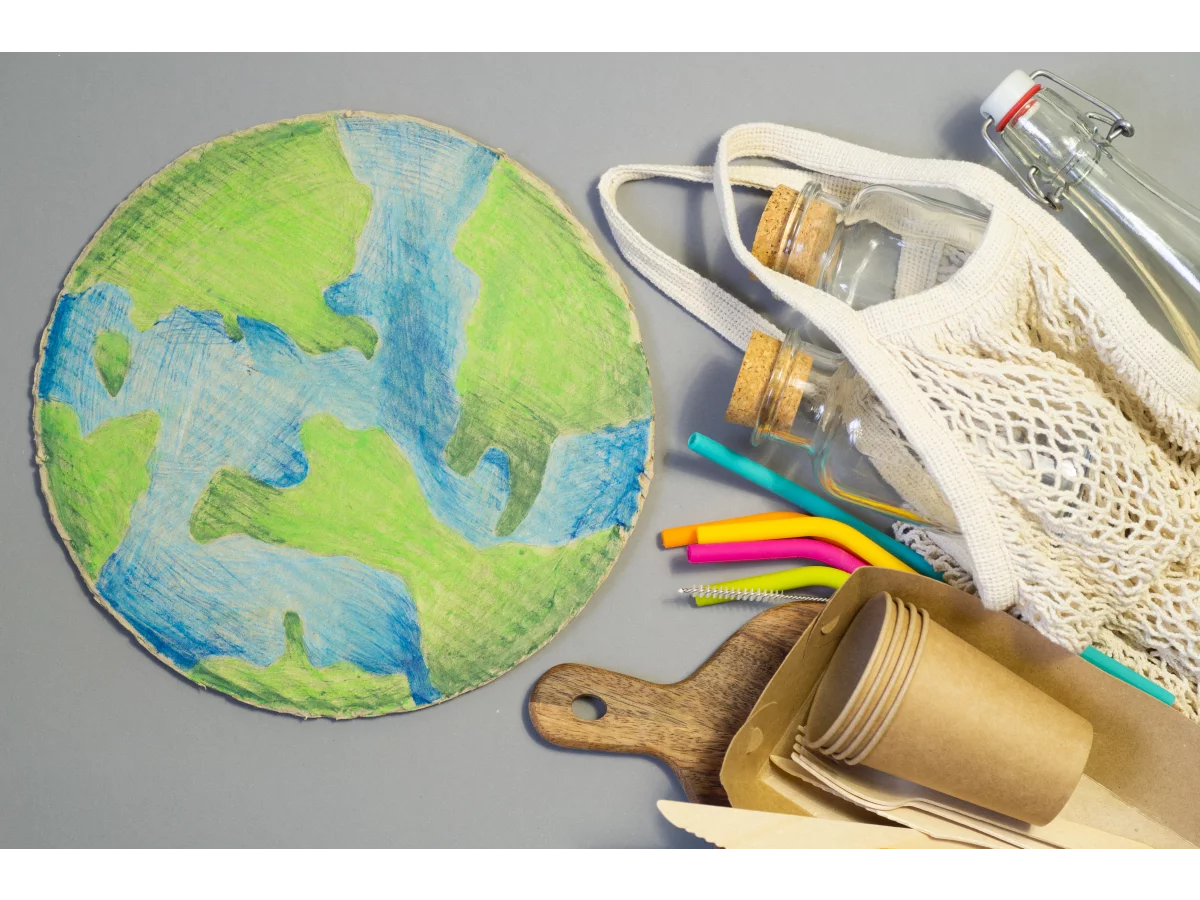
The Innovative Material Recovery and Recycling Technology is designed to transform industrial and post-consumer waste streams, such as mixed wood, packaging, and natural fibers, into high-quality reusable materials. The main objectives are to reduce landfill disposal, minimize environmental impact, and support circular economy principles. The technology addresses challenges in inefficient waste management, resource depletion, and pollution. Targeted users include manufacturing companies, waste management firms, and industries seeking sustainable material alternatives. The solution enables optimized material recovery, cost reduction in raw material sourcing, and the creation of eco-friendly products, fostering sustainable production and compliance with environmental regulations.
Key features
"Key differentiating features:
Multi-waste processing: Capable of converting mixed industrial and post-consumer wastes (wood, packaging, natural fibers) into high-quality materials.
Sustainability focus: Reduces landfill disposal and environmental impact while supporting circular economy principles.
Customizable outputs: Produces materials tailored for specific industrial applications.
Pilot-tested and scalable: Validated at lab and pilot scale for industrial feasibility.
Integration potential: Can be combined with existing manufacturing processes for seamless adoption.
Resource efficiency: Low energy and water consumption compared to conventional recycling methods."
Integration and adaptability in manufacturing environments
The Innovative Material Recovery and Recycling Technology is designed for easy integration into existing manufacturing processes, with minimal modifications required. It can be customized to meet specific material quality, output volume, and product requirements. The solution is compatible with standard industrial equipment and technologies, allowing seamless adoption in a wide range of manufacturing environments.
Implementation support and training for manufacturers
"Support services:
During implementation, the center provides technical consulting, pilot testing, process optimization, and on-site supervision to ensure smooth integration of the technology.
Post-implementation, companies receive data analysis, performance evaluation, troubleshooting support, and guidance for scaling up operations.
Training programs and resources:
Customized training courses, workshops, and manuals are offered to company staff, covering material handling, process optimization, quality control, and maintenance, ensuring companies fully benefit from the solution."
Sustainability, compliance and certifications in the EU
Yes, the Innovative Material Recovery and Recycling Technology is designed to comply with EU environmental regulations and industry standards, including waste management, circular economy, and sustainable production directives. Its performance and sustainability are validated through laboratory and pilot-scale testing, with the potential for certification under ISO 14001 (Environmental Management) and other relevant quality and eco-label standards.
Example of successful implementation of solution in manufacturing company.
The technology was successfully implemented in a local furniture manufacturing company facing high volumes of wood and packaging waste. The center conducted pilot-scale testing, optimized material formulations, and integrated the recycling system into the production workflow. As a result, the company reduced waste disposal costs, recovered valuable materials, and created new eco-friendly composite products. The solution proved compatible with existing equipment and production schedules, demonstrating operational feasibility and scalability.
Case studies or testimonials showcasing the impact of the solution on real-world operations.
A local furniture manufacturer collaborated with our center to address the challenge of managing mixed wood and packaging waste. Through the Innovative Material Recovery and Recycling Technology, the company tested the transformation of waste streams into high-quality composite materials. Pilot-scale trials were conducted to optimize material properties and production parameters.
Key outcomes included a 40% reduction in landfill disposal, production of durable composite panels for internal use, and cost savings on raw material procurement. Employees received training on handling recycled materials and integrating them into existing production lines.
Feedback from the company highlighted improved sustainability reporting, compliance with environmental regulations, and strengthened circular economy practices. Additional studies showed that scaling the solution could support other manufacturing sectors, such as construction panels, packaging, and furniture components.
Another case involved a metal processing plant that integrated the technology to recover non-metallic residues, demonstrating cross-industry applicability. The solution improved operational efficiency, reduced environmental footprint, and provided measurable economic benefits."
Link to the solution video or pdf technical documentation.
.png)

.png)
.png)