Is this service the right solution for you or your company? Send us an inquiry.

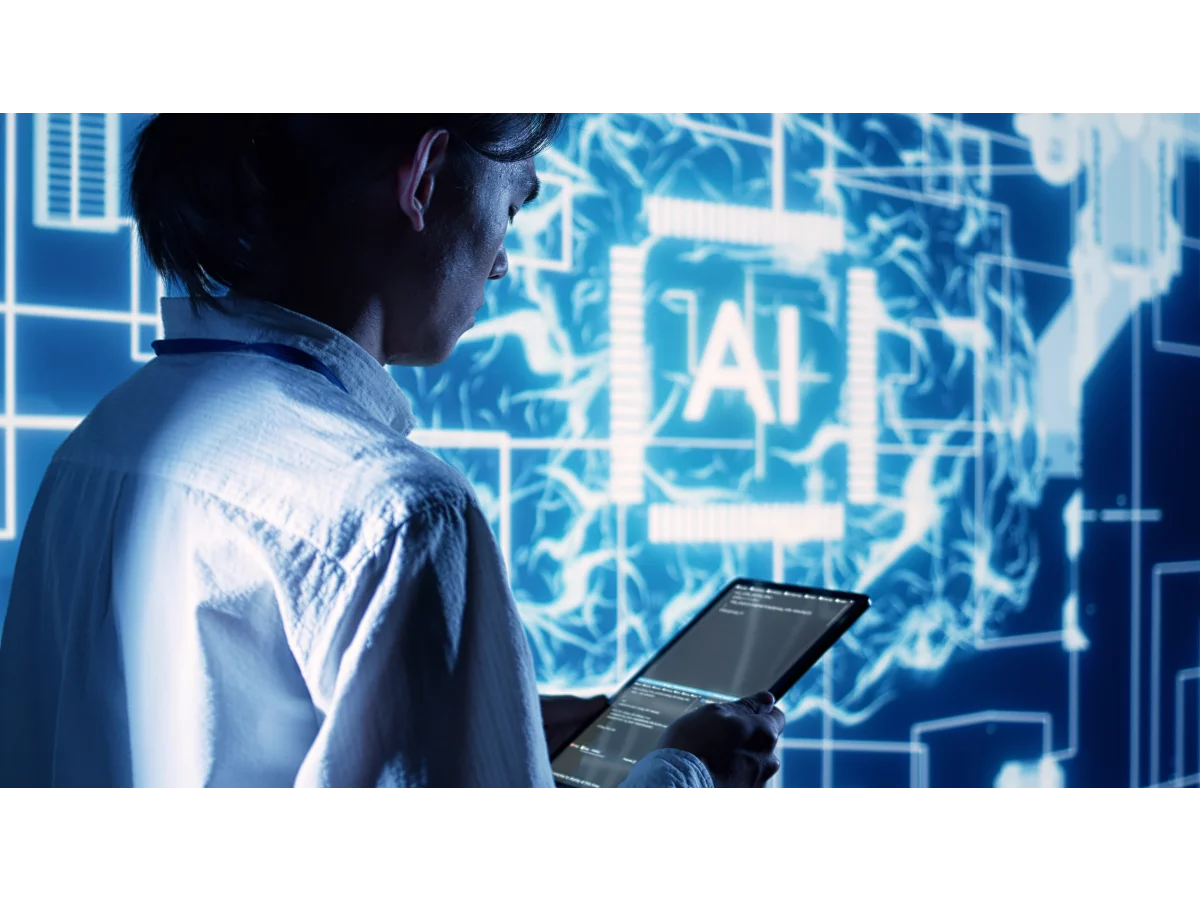
"The digitalization platform is an integrated solution that supports manufacturing and logistics companies in reducing their environmental impact through the automation of operational processes and the optimization of energy and resource consumption. It uses IoT technologies, Artificial Intelligence (AI), and real-time data analytics to monitor equipment performance, energy consumption, and carbon emissions. The main objectives are to increase energy efficiency, reduce operational costs, automate predictive maintenance, and report ESG indicators. The solution contributes to the green digital transition by integrating renewable energy sources and data into smart platforms."
"The solution stands out through the full integration of sustainability into digital processes, combining IoT monitoring, artificial intelligence, and predictive analytics within a unified platform. This enables the simultaneous optimization of energy consumption, logistics flows, and equipment maintenance, providing real-time insights into both ecological and operational performance. With its modular and scalable architecture, the solution adapts to any type of manufacturing company. It includes unique functionalities such as automated ESG reporting, energy impact simulation, and integration with renewable energy sources, offering a competitive advantage in the green digital transition."
"The solution can be easily integrated into existing production processes and systems thanks to its modular and interoperable architecture, which allows quick connection to existing IT infrastructures (ERP, SCADA, MES, CRM). The platform is compatible with the most common industrial equipment and IoT technologies, enabling automatic data collection from sensors and machinery. Furthermore, the solution is fully customizable to the specific needs of each production line, offering dedicated modules for energy efficiency, predictive maintenance, logistics, or ESG reporting. This flexibility allows gradual implementation without disrupting current operations and ensures measurable short-term results."
"During the implementation phase, we provide manufacturing companies with dedicated technical assistance, customized configuration, and full integration of the platform into their existing infrastructure. Our IT team works directly with the client’s technical departments to adapt the modules to the specific characteristics of their production processes. After implementation, we ensure continuous technical support, regular software updates, and proactive maintenance. We also provide digital training programs, interactive tutorials, and online user guides to help employees efficiently use all platform functionalities and maximize the solution’s benefits in terms of energy efficiency and operational sustainability."
"The solution complies with relevant EU environmental regulations and industrial standards, including the EU Directives on energy efficiency, data protection (GDPR), and carbon emission reduction (EU Green Deal, ISO 50001). The platform’s architecture is developed in accordance with industrial IT interoperability and cybersecurity standards (IEC 62443), ensuring secure integration within production environments. The performance and sustainability of the solution are validated through internal quality audits, while the software and hardware components used comply with ISO 14001 and RoHS certifications. Additionally, the solution can be customized to support companies in obtaining ESG certifications and digital sustainability accreditations."
Cadran Industries, a leading company in the field of metal fabrication and industrial component manufacturing, recognized the growing need for digital transformation to remain competitive in an increasingly demanding market. As customer expectations for quality, speed, and flexibility continued to rise, the company decided to implement an integrated ERP system—Plan-de-CAMpagne (PdC)—to improve efficiency, coordination, and overall operational performance. 1. Background and Challenges Before the implementation of Plan-de-CAMpagne, Cadran Industries relied on a combination of manual processes and isolated software tools to manage production activities. This fragmented approach led to several operational challenges, including: Limited visibility over the status of ongoing production orders and material stocks, Inefficient scheduling of machines and labor resources, often resulting in production delays, Difficulty in tracking material consumption and production costs in real-time, Duplication of data entry across departments such as sales, planning, and accounting, Inconsistent communication between the design, production, and procurement teams These challenges not only reduced productivity but also made it difficult for management to make informed decisions based on accurate and up-to-date information. 2. Implementation Objectives The main goal of the ERP integration project was to digitally unify all production and administrative processes into a single platform. Specifically, Cadran Industries aimed to: Improve production planning and scheduling through real-time visibility and automated workflows, Optimize resource allocation (machines, materials, and personnel), Enhance cost control and project profitability analysis, Increase data accuracy and traceability across all departments Create a seamless link between design and manufacturing through CAD/CAM integrationCadran Industries, a leading company in the field of metal fabrication and industrial component manufacturing, recognized the growing need for digital transformation to remain competitive in an increasingly demanding market. As customer expectations for quality, speed, and flexibility continued to rise, the company decided to implement an integrated ERP system—Plan-de-CAMpagne (PdC)—to improve efficiency, coordination, and overall operational performance.
N/A
N/A