.png)
.png)
.png)



Problem statement
Water utilities and industrial infrastructure operators face significant challenges in monitoring water consumption and detecting leaks in a timely manner. Traditional leak detection approaches often rely on fixed threshold values or manual inspections, which are insufficient to identify small-scale or gradual water losses. These so-called micro-leaks can remain undetected for long periods, leading to increased water losses, higher operational costs and unnecessary strain on infrastructure systems. The lack of real-time data and predictive analytics limits the ability of operators to react proactively, optimize maintenance planning and reduce resource waste. There is a growing need for intelligent, data-driven solutions that provide continuous monitoring, early anomaly detection and actionable insights for sustainable water management.
Main outcome
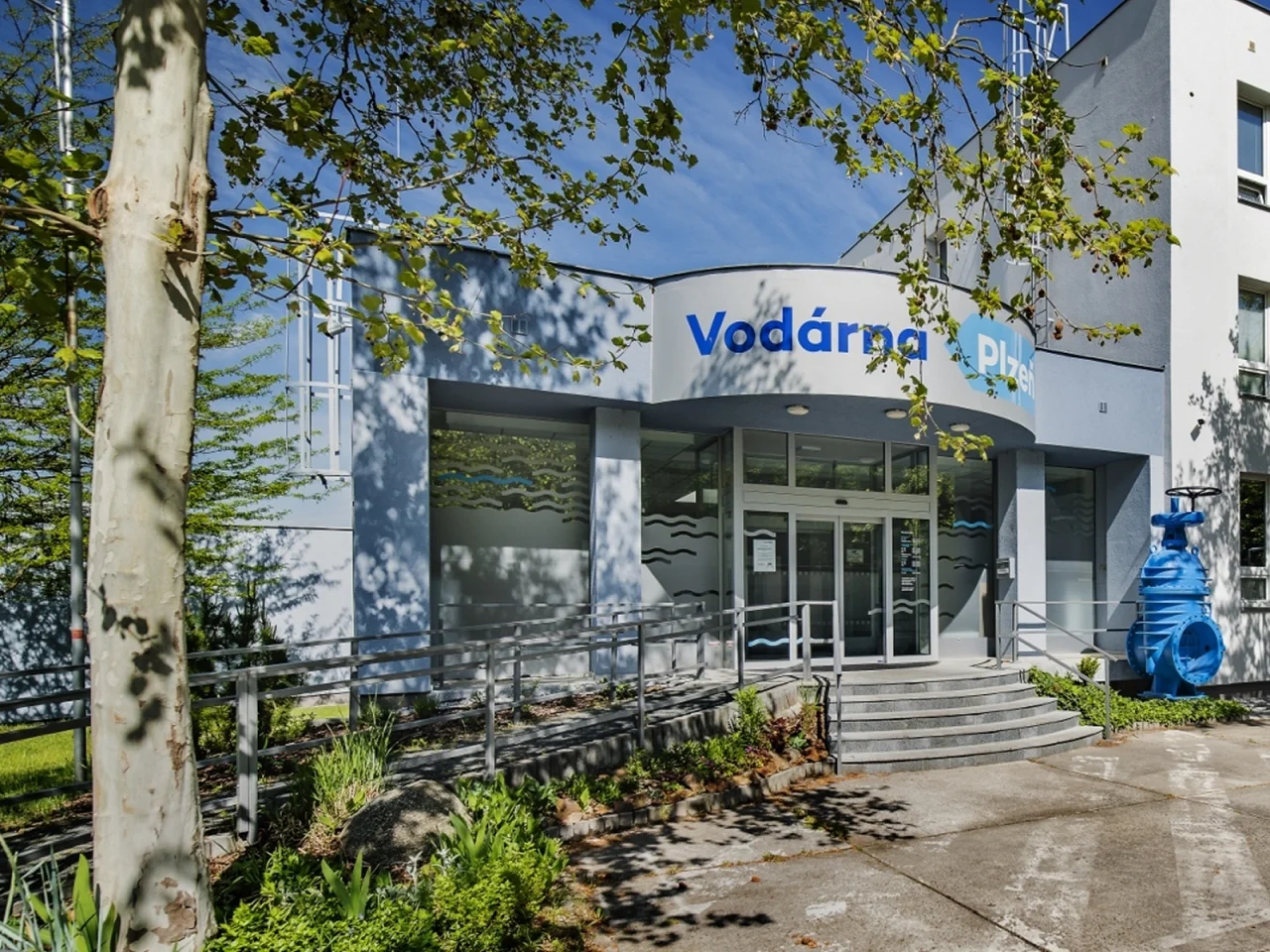
The implementation of the Nextdrop Control System at the Water Utility of Plzeň demonstrated the ability to detect micro-leaks smaller than 0.3 l/min in real time, a level of precision not achievable with conventional monitoring methods. Continuous data collection combined with adaptive predictive analytics enabled early identification of abnormal consumption patterns and supported faster operational response. As a result, the solution contributed to reduced water losses, improved operational transparency and more efficient infrastructure management. The real-time insights also support strategic maintenance planning and long-term sustainability goals. The use case illustrates how digital technologies and IoT-based monitoring can significantly enhance resource efficiency and resilience of critical infrastructure systems, while offering high transferability to industrial and manufacturing environments.